
Top Influencer Marketing Trends in 2026
The brands still running 2023 playbooks are wondering why 2026 feels different. Here is why.
Every year someone declares influencer marketing dead. Every year the numbers go up. The industry is not dying. It is changing. And the brands that notice the change before their competitors do are the ones that end up with an unfair advantage.
The Influencer Marketing Trends 2026 landscape is different because brands are moving beyond follower counts and one-off sponsored posts toward authentic creators, measurable performance, and long-term partnerships.
We have seen enough influencer marketing campaigns at 6th Street Artist to know what is actually moving in 2026 versus what is just noise. Our influencer marketing services help brands build creator partnerships that align with their campaign goals.
Micro and Nano Influencers Are Dominating Campaign ROI
There was a time when the influencer marketing brief basically wrote itself. Find the biggest creator your budget can afford. Pay them. Hope it works.
That is no longer how the best campaigns are built.
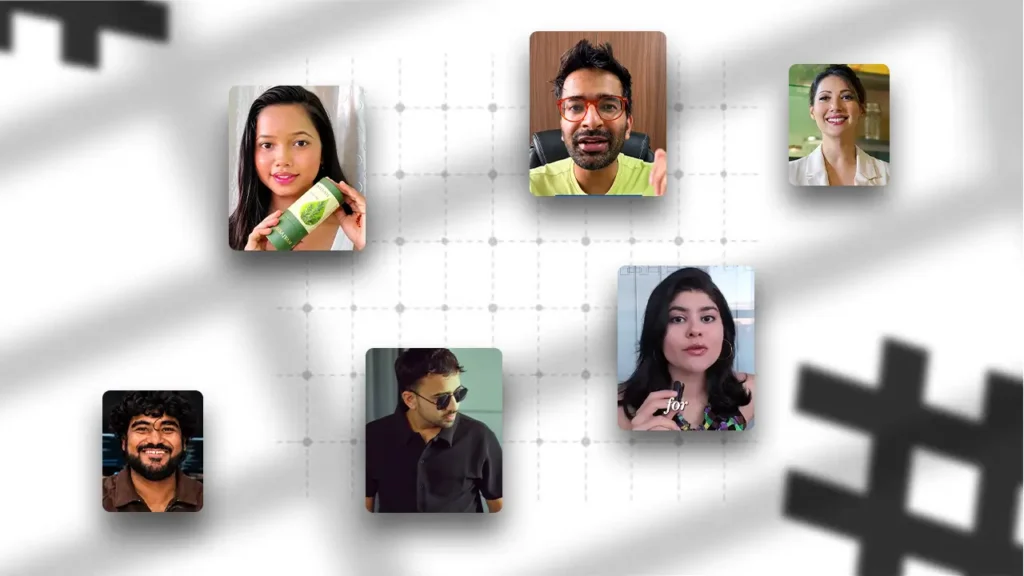
The brands quietly moving budget toward micro influencers between 10,000 and 100,000 followers and nano creators below 10,000 are not doing it to save money. They are doing it because the results are better. A creator with 20,000 followers who has spent two years building a tight community around something specific has a relationship with that audience that a celebrity with 5 million passive followers simply does not have.
Their audience trusts them. Acts on what they say. Comes back post after post. That is what drives conversions. And that is why the money is following the engagement, not the reach.
Types of Influencers and How They Build Consumer Trust
Understanding the different types of influencers is essential when building an effective influencer marketing strategy. The right creator depends on your campaign objective, target audience, budget, and the level of trust you want to establish.
Nano Influencers
Nano influencers typically have fewer than 10,000 followers and often have highly connected communities. Their content tends to feel personal and authentic because they interact closely with their audience. Brands can use nano influencers for local campaigns, product sampling, reviews, and highly targeted promotions.
Micro Influencers
Micro influencers generally have between 10,000 and 100,000 followers. They combine meaningful audience engagement with a broader reach than nano creators. Their niche expertise and strong community relationships make them particularly effective for product discovery, consideration, and conversions.
Macro Influencers
Macro influencers typically have between 100,000 and 1 million followers. They provide brands with significantly greater reach while still maintaining a recognizable creator identity. They can be valuable for product launches, awareness campaigns, and reaching specific demographic groups at scale.
Celebrity Influencers
Celebrity influencers can provide massive reach and brand visibility. For brands looking to build stronger associations with well-known personalities, celebrity endorsements can be an effective part of a broader influencer marketing strategy.
Choosing the Right Influencer
The best influencer is not necessarily the creator with the largest following. Brands should consider audience relevance, engagement quality, content style, demographics, previous brand collaborations, and campaign objectives. Combining different influencer tiers can also help a brand balance reach, credibility, and conversions.
Long Term Brand Ambassador Programs Are Replacing One Off Posts
Here is a pattern we see constantly. A brand runs a one off campaign. The content does fine. They move on to another creator next month. Twelve months later they cannot point to any brand equity from any of it.
Single posts create moments. Long term partnerships create memory.
A creator who shows up for a brand repeatedly over months builds the kind of familiarity with their audience that advertising cannot manufacture. The audience stops seeing it as a paid placement and starts associating the two naturally. Long term brand ambassador programs are not just a nice-to-have in 2026. For brands serious about building something lasting through the creator economy, they are the strategy.
Managing these long-term relationships requires the right creator selection, communication, and coordination. Professional talent management can help brands maintain consistent and productive creator partnerships.
Authentic Creator Content Is Outperforming Scripted Campaigns
Influencer marketing has a trust problem that brands created themselves. Too many scripted posts. Too many creators talking about products that clearly have nothing to do with their actual life. Too many captions that sound like they were written by a legal team.
The audience noticed. And now they punish it.
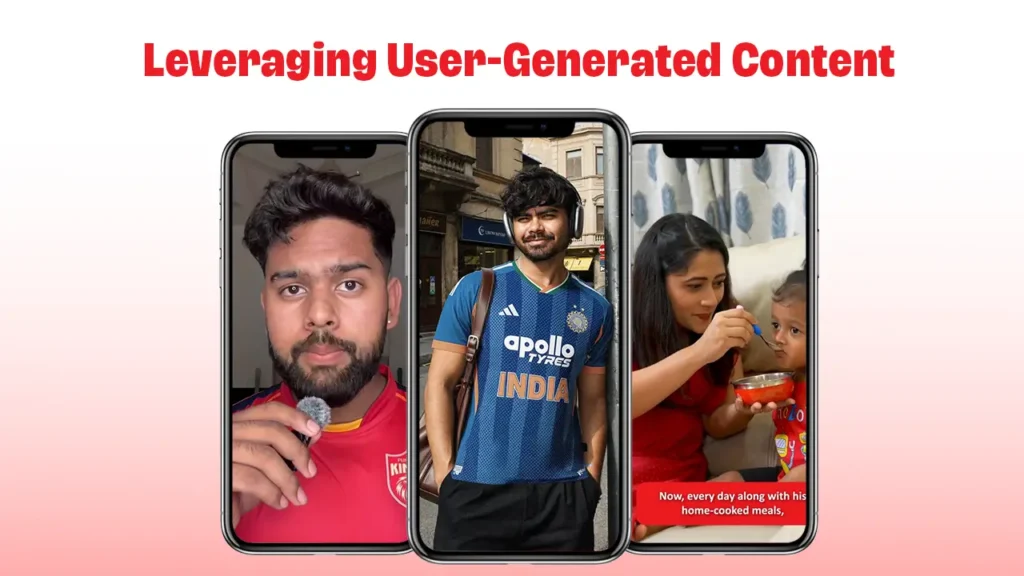
Content that feels forced gets scrolled past. Content that feels genuine gets saved, shared, and talked about. The brands winning right now have figured out something simple. Give the creator a direction and then get out of the way. Let them figure out how to say it in a way their audience will actually believe. Their version will almost always outperform the brand-approved version.
AI Powered Creator Discovery and Vetting
A couple of years ago picking a creator involved looking at their feed, checking a few metrics, and making a judgment call. The data underneath – who their audience actually was, how real the engagement was, whether their content history made sense for the brand – was hard to get to.
AI-powered influencer discovery tools have changed that.
In 2026, brands can verify audience demographics, check engagement authenticity, and assess brand fit at a level of detail that was genuinely not accessible before. Less guessing. More knowing. Fewer campaigns that look good on paper and perform poorly in practice.
Social Commerce Is Making Creator Content a Direct Sales Channel
This is the one that has changed the most in the last two years and a lot of brands have not caught up to it yet.
Social commerce means a viewer can watch a creator talk about a product and buy it without leaving the platform. No website visit. No search. No friction. Instagram Shopping, YouTube Shopping – the infrastructure is there and it is being used.
Creator content used to drive awareness. Now it can drive the entire purchase journey. From the first moment someone sees a product to the moment they own it can happen in a single video. The brands that have not integrated social commerce into their influencer marketing strategy are leaving conversion on the table every single day.
Regional and Vernacular Influencer Marketing
Here is a number worth sitting with. The majority of India’s internet users consume content in regional languages. Tamil, Telugu, Kannada, Marathi, Bengali, Gujarati. And the engagement those communities show with creators they follow is significantly higher than what you see in mainstream Hindi or English content.
Most national brands are not there yet.
The competition for regional creator partnerships is still low. The audiences are hungry for brand engagement. And the creators building communities in these languages are doing it with a depth of trust that metro English-language influencer marketing rarely achieves. The window to get into these markets early is still open. It will not stay open forever.
Performance Based Influencer Partnerships
Flat fee influencer deals are not going away but performance-based influencer partnerships are growing fast. Creators earn based on what they actually deliver. Clicks, sign-ups, sales. The brand gets accountability. The creator gets upside for doing good work.
What happens when both sides are invested in the outcome? Better briefs. More creative thinking from the creator. Content that is actually trying to convert rather than just trying to look good. Performance-based models are changing the quality of campaigns from the inside out and they are becoming one of the defining influencer marketing trends of 2026.
B2B Influencer Marketing Is Growing Fast
For years B2B companies looked at influencer marketing and decided it was not for them. That was a mistake and the data is starting to show it.
Decision makers are human beings. They watch YouTube. They scroll LinkedIn. They follow founders and industry experts who break down complex topics in ways that are actually useful. The brands showing up in those spaces through the right creator partnerships are having conversations with buyers that cold emails and webinars never managed to start.
B2B influencer marketing is one of the fastest growing areas in the creator economy in 2026. If you sell to businesses and you are not thinking about this, you are behind where your competitors are going.
Creator Content as Paid Advertising Creative
This one still surprises brands when they first test it. Creator-produced content, the kind made to feel native to a platform, consistently outperforms polished brand-produced creative when used as paid advertising.
It makes sense when you think about it. People have learned to scroll past things that look like ads. Content that looks like something a real person made gets a different reaction even in a paid placement. The creator format carries a trust signal that the ad format does not.
More brands in 2026 are briefing creators specifically for paid media use alongside organic posting. The influencer marketing strategy and the performance marketing strategy used to live in separate buckets. The best brands are now treating them as one.

Manpreet Singh Chadha was a visionary entrepreneur and co-founder of 6th Street Artist, a Mumbai-based influencer marketing agency. With a passion for empowering creators and brands, he played a pivotal role in shaping the agency’s mission to revolutionize influencer marketing in India. His legacy continues to inspire the industry.