
How to Identify Influencer Audience Overlap Before Running an Influencer Campaign
Running five influencer campaigns and reaching the same five thousand people five times isn’t a strategy. It’s a waste. Influencer audience overlap can quietly reduce unique reach, inflate projected campaign performance, and make brands spend more without reaching proportionally more people.
A brand came to us after wrapping a campaign with five creators, all in the same niche, all with strong follower counts, all producing content that looked great on paper. But the new-customer numbers came in way below projections.
We pulled the creator audience data. Three of the five creators shared over 60% of their audience. The brand had paid for five campaigns and gotten the unique reach of maybe two and a half. Comparing creator audience data before campaign launch gives brands a clearer picture of potential audience duplication. Nobody had checked before launch — which is exactly how audience overlap works. It’s silent, until the results come back and nobody can explain why.
Why Influencer Audience Overlap Is Quietly Killing Campaign Budgets
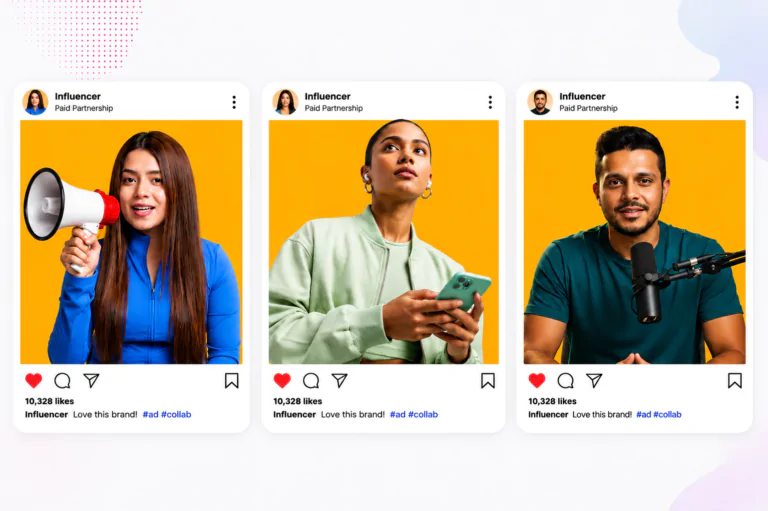
Most conversations about influencer campaigns focus on picking the right creators and writing a good brief. Audience overlap rarely comes up, and yet it eats into campaign budgets every month, across every category.
The math is simple. Creator A has 80,000 followers. Creator B has 80,000 followers. On a slide, that looks like 160,000 people. But if 50,000 of those followers are the same people, actual unique reach is 110,000 — not 160,000.
Scale that across ten creators and the gap between the combined follower count and what the campaign actually delivers gets genuinely alarming. Most brands never see it, because they’re measuring impressions and engagement instead of unique reach. Unique reach is the number that tells you how many genuinely different people your campaign touched. Everything else flatters the plan without improving it.
Why Influencer Audience Overlap Keeps Happening
Discovery pulls brands toward the same creators. When a brand searches for creators in a niche, they browse the same platforms, search the same hashtags, and surface the same high-visibility accounts. This is why a strong influencer marketing strategy should go beyond niche relevance and follower count to evaluate audience quality, audience overlap, and unique reach before finalizing creators.Those accounts tend to share audiences, because they’re all speaking to the same core group of people interested in that topic. Two creators in the same niche, similar size, same city — their audiences are almost certainly the same people. Category alignment is necessary. It’s just not sufficient.
Follower count gets mistaken for unique reach. Eight creators with 60,000 followers each get added up to 480,000 potential reach on a planning slide. The real number might be 250,000, or less. Combined follower count makes a budget feel efficient; actual unique reach tells a very different story.
Nobody runs the analysis before committing the budget. Checking overlap properly requires tools that compare follower profiles across multiple creators at once and surface the actual overlap percentage. Without that, the roster gets confirmed, briefs go out, and the overlap only becomes visible once the results disappoint.
How to Identify Influencer Audience Overlap Before Your Campaign Launches
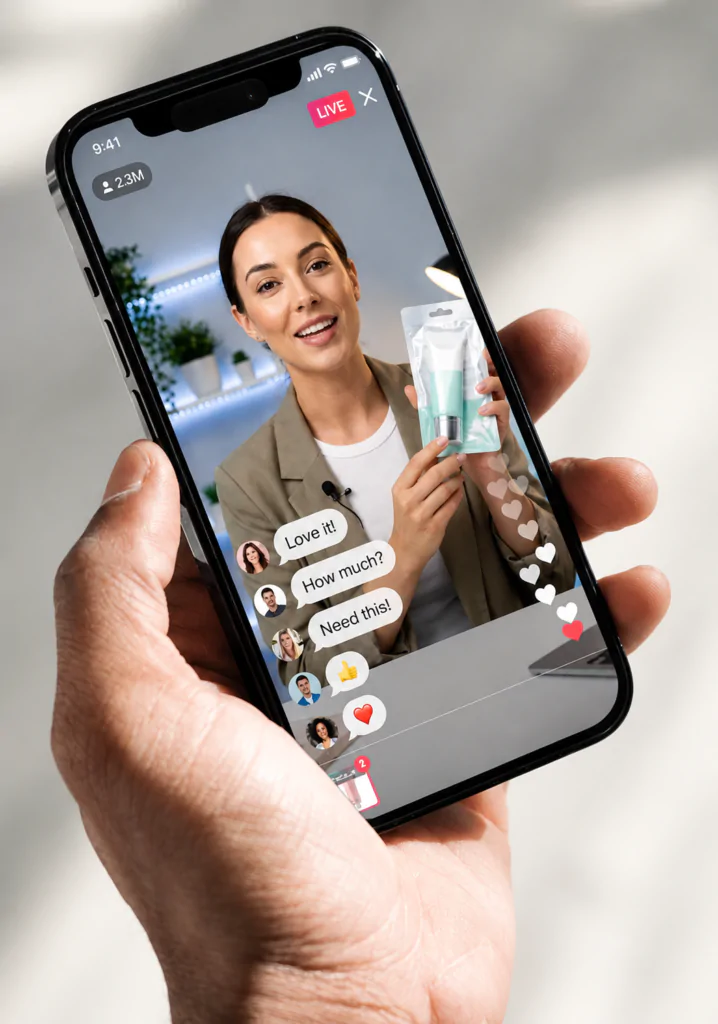
Look at who’s following each creator, not just what they post about. Age, gender, location, interests — two creators with identical niche and follower count can have completely different audiences. A food creator whose followers are mostly women in their thirties in metro cities is not the same campaign choice as a food creator whose followers skew younger and spread across tier-2 cities. The content looks similar. The audience doesn’t.
Run overlap analysis across your full shortlist. Influencer analytics platforms with audience overlap analysis show you which creator combinations share audiences and which ones add genuinely new people.
A strategic approach to talent management also helps brands select creators whose audiences complement each other rather than repeatedly reaching the same group of people.
Every creator added to the roster should bring a new audience into the campaign — not reinforce a group the brand has already reached twice.
Use geography as an overlap signal. Two creators based in the same city with similar audience sizes are almost certainly talking to a lot of the same people. Spreading the roster across different cities, or mixing creators whose audiences concentrate in different regions, increases unique reach without touching the budget.
Mix creator tiers deliberately. A macro creator with 400,000 followers and a nano creator with 8,000 followers in the same niche are unlikely to share a meaningful share of the audience, even posting about the same things. The macro creator reaches through algorithm and visibility; the nano creator reaches through a tight, specific community that rarely overlaps with anyone outside it. Together, they cover far more ground than two mid-tier creators in the same space.
Types of Influencers and Their Audience Overlap
Nano Influencers
Nano influencers typically have highly focused communities and strong relationships with their followers. Their audiences can be geographically or interest-specific, which makes them useful for reaching niche groups that larger creators may not reach. When evaluating nano creators, look beyond follower count and examine creator audience data.
Micro Influencers
Micro influencers often combine niche expertise with a larger and still highly engaged audience. However, multiple micro influencers in the same niche can have significant audience overlap. Comparing their audience demographics, locations, interests, and follower profiles can help identify whether each creator adds incremental reach.
Macro Influencers
Macro influencers provide broader visibility and can introduce a campaign to a much larger audience. Their follower base may be more diverse, but overlap can still occur when several creators target the same category or demographic. Audience analysis helps determine whether adding another macro creator will increase unique reach.
Celebrity Influencers
Celebrity influencers can deliver substantial awareness and visibility, but large follower counts do not automatically mean a larger unique audience. When planning celebrity endorsement campaigns, brands should analyze audience overlap with other creators to avoid paying multiple times to reach the same people. Audience analysis before launch helps ensure that each partnership contributes meaningful incremental reach.
What Happens When You Get This Right
Two brands, same budget, same niche, same number of creators. Brand A picks on category fit and follower count. Brand B does the same, but maps audience overlap first and adjusts the roster accordingly.
Brand B reaches more unique people at the same cost, and its cost per new person reached is lower. Over twelve months of campaigns, that efficiency gap becomes very hard to close.
This isn’t a complex strategy shift — it’s one step in the planning process that most brands skip because it feels like extra work. The irony is that skipping it creates the real extra work: explaining to stakeholders after the campaign why the reach numbers didn’t match expectations.
Reducing unnecessary influencer audience overlap allows brands to generate greater unique reach from the same campaign budget.
Frequently Asked Questions About Influencer Audience Overlap
What is influencer audience overlap?
How can brands measure influencer audience overlap?
Why is unique reach important in influencer marketing?
Does audience overlap mean brands should avoid similar influencers?
How can audience analysis improve influencer campaign targeting?
How We Handle This at 6th Street Artist
Audience overlap analysis is part of how we build every multi-creator campaign. Before any brief goes out, we look at the creator audience data, map overlap across the shortlist, and build the final roster around maximizing unique reach — not just matching niche and follower count on paper. Our creator selection process combines audience analysis, campaign targeting, and performance data to build campaigns around meaningful reach rather than follower count alone.
If your campaigns keep coming back with lower unique reach than expected, this is almost always a significant part of why. We’d rather fix it before the budget goes out than explain it after.
Come talk to us.
Call us: +91 91366 69815 Email: info@6thstreetartist.com

Manpreet Singh Chadha was a visionary entrepreneur and co-founder of 6th Street Artist, a Mumbai-based influencer marketing agency. With a passion for empowering creators and brands, he played a pivotal role in shaping the agency’s mission to revolutionize influencer marketing in India. His legacy continues to inspire the industry.